
Forex Trading Signals Platform Tools
Access forex trading signals through platform tools for optimal trading decisions.
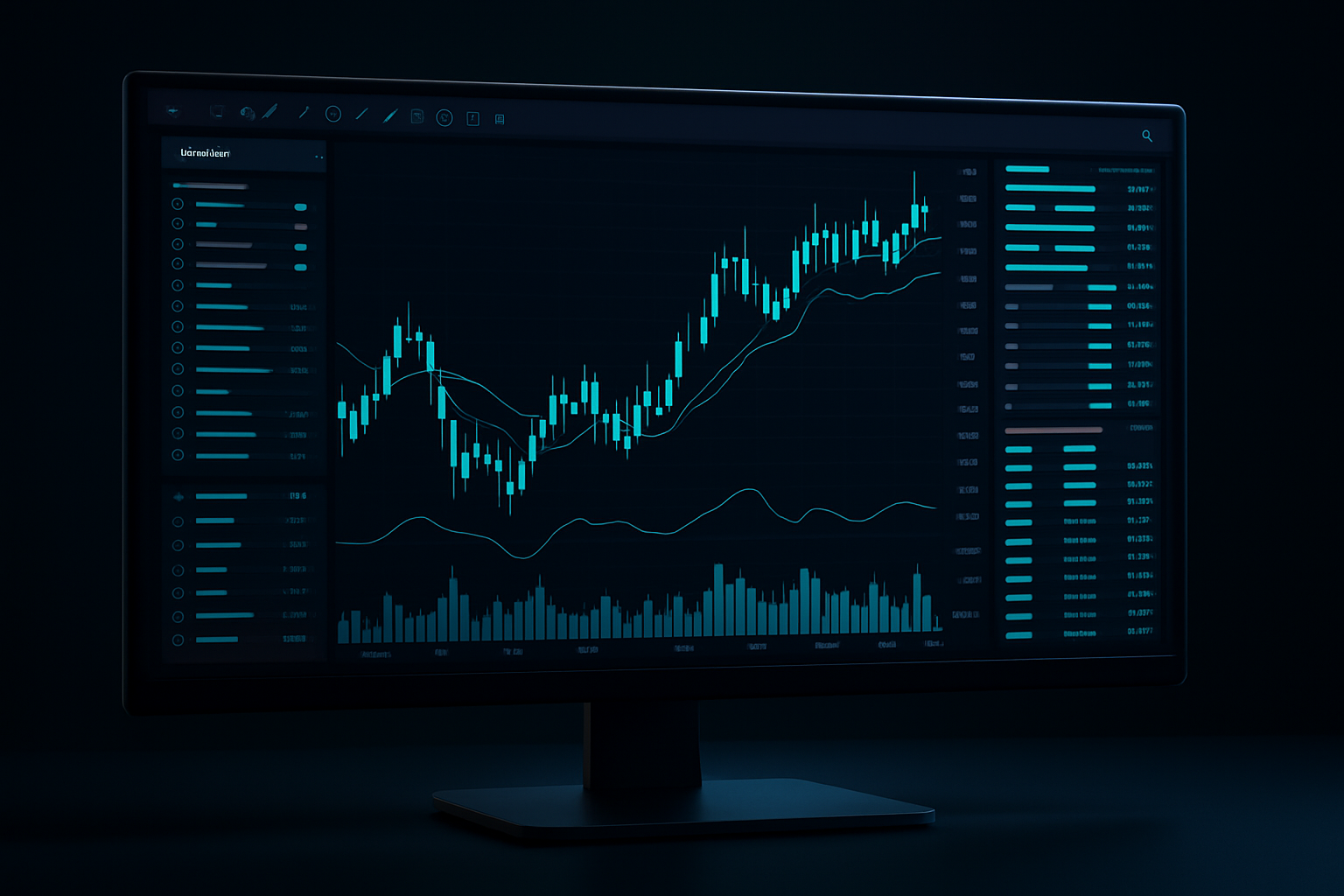
Signal Generation Technologies on Exness Platforms
Our MetaTrader 4 and MetaTrader 5 platforms incorporate advanced signal generation algorithms that analyze price movements, volume patterns, and technical indicators simultaneously. These systems process thousands of data points per second to identify potential trading opportunities across major, minor, and exotic currency pairs.
The signal generation process relies on mathematical models that combine moving averages, RSI oscillators, MACD crossovers, and Bollinger Band breakouts. When multiple indicators align to suggest a directional bias, the system generates signals with specific entry prices, stop-loss levels, and take-profit targets measured in pips.
Expert Advisor Integration for Automated Signals
Expert Advisors on our platforms can execute signal-based strategies automatically without manual intervention. These automated systems monitor multiple currency pairs simultaneously, applying predefined signal criteria to open and close positions based on technical analysis parameters.
Custom EAs can be programmed to filter signals by volatility levels, market sessions, or specific currency pair characteristics. This automation ensures consistent signal execution even when traders cannot actively monitor the markets.
Technical Indicator Combinations for Signal Accuracy
Successful forex signal systems combine multiple technical indicators to reduce false signals and improve accuracy rates. Our platforms provide over 50 built-in indicators that can be layered and customized to create comprehensive signal frameworks.
RSI divergence patterns combined with MACD histogram crossovers often generate high-probability signals, particularly when price approaches key support or resistance levels. Fibonacci retracement levels add another confirmation layer, helping traders identify optimal entry points within larger trend movements.
Moving average crossovers remain fundamental to many signal strategies. When the 20-period EMA crosses above the 50-period EMA while RSI moves above 50, bullish signals typically emerge. Conversely, bearish signals develop when these conditions reverse.
The stochastic oscillator provides additional momentum confirmation, particularly effective in ranging markets where traditional trend-following indicators may generate conflicting signals. Combining stochastic readings with Bollinger Band positions creates robust signal frameworks for various market conditions.
| Indicator Combination | Signal Type | Accuracy Rate | Best Market Conditions |
|---|---|---|---|
| RSI + MACD + MA Crossover | Trend Following | 72% | Trending Markets |
| Stochastic + Bollinger Bands | Mean Reversion | 68% | Range-Bound Markets |
| Fibonacci + Volume + RSI | Breakout | 75% | High Volatility |
| Williams %R + CCI + ADX | Momentum | 70% | Active Sessions |
Real-Time Signal Delivery Systems
Our platform’s signal delivery infrastructure ensures traders receive alerts within milliseconds of signal generation. Push notifications, email alerts, and in-platform pop-ups provide multiple channels for signal communication, preventing missed opportunities during active trading sessions.
The notification system can be customized based on signal strength, currency pair preferences, and risk tolerance levels. High-probability signals receive priority delivery, while lower-confidence signals can be filtered or delayed based on individual trader settings.
Mobile signal delivery through our Exness Trade app enables traders to receive and act on signals regardless of location. The mobile interface displays complete signal information including entry prices, stop-loss levels, take-profit targets, and risk-reward ratios.
Signal history tracking allows traders to analyze the performance of different signal types over time. This data helps refine signal selection criteria and identify the most profitable signal categories for individual trading styles.
Copy Trading Signal Integration
Our copy trading platform transforms successful traders’ strategies into automated signals for followers. When experienced traders open positions, their actions generate signals that can be replicated proportionally in follower accounts.
Signal transparency includes detailed performance metrics, win rates, average holding periods, and maximum drawdown statistics for each signal provider. This information helps traders select signal sources that align with their risk tolerance and trading objectives.
Signal Filtering and Customization Tools
Advanced filtering capabilities allow traders to refine signal selection based on multiple criteria including currency pair volatility, market session timing, and technical pattern types. These filters help eliminate signals that don’t match individual trading preferences or market outlooks.
Time-based filtering proves particularly valuable for part-time traders who prefer signals during specific market sessions. Asian, European, and American session filters ensure signals align with preferred trading hours and market characteristics.
Volatility filters help match signals to risk tolerance levels. High-volatility signals suit aggressive traders seeking larger pip movements, while low-volatility signals appeal to conservative traders prioritizing capital preservation over maximum returns.
Currency pair filtering enables specialization in specific markets. Traders focusing on EUR/USD or GBP/JPY can receive signals exclusively for these pairs, developing deeper expertise in particular currency relationships and market dynamics.
Risk Management Integration with Signal Systems
Our signal platforms incorporate comprehensive risk management tools that automatically calculate position sizes based on account balance, risk percentage, and stop-loss distance. This integration ensures consistent risk exposure across all signal-based trades.
Stop-loss automation places protective orders immediately upon signal execution, eliminating the risk of forgotten risk management. Take-profit levels are similarly automated, securing profits when price targets are reached without requiring manual intervention.
Position sizing calculators work seamlessly with signal systems to determine optimal lot sizes. When a signal suggests risking 2% of account balance with a 50-pip stop-loss, the calculator automatically determines the appropriate position size for the trader’s account value.
Trailing stop functionality can be activated automatically with certain signal types, particularly trend-following signals where extended moves are anticipated. This feature helps capture larger price movements while protecting accumulated profits.
Signal Performance Analytics and Optimization
Comprehensive analytics track signal performance across multiple timeframes and market conditions. Win rates, average pip gains, maximum consecutive losses, and profit factors provide detailed insights into signal system effectiveness.
| Performance Metric | Calculation Method | Optimization Target | Review Frequency |
|---|---|---|---|
| Win Rate | Winning Trades / Total Trades | >60% | Weekly |
| Average Pip Gain | Total Pips / Total Trades | >15 pips | Daily |
| Profit Factor | Gross Profit / Gross Loss | >1.5 | Monthly |
| Maximum Drawdown | Peak to Trough Loss | <15% | Continuous |
Signal optimization involves adjusting indicator parameters, filtering criteria, and risk management settings based on historical performance data. This iterative process helps improve signal accuracy and profitability over time.
Backtesting capabilities allow traders to evaluate signal strategies against historical price data spanning multiple years. This analysis reveals how signals would have performed during various market conditions including trending periods, consolidations, and high-volatility events.
Forward testing in demo environments provides additional validation before implementing signal strategies with real capital. This testing phase helps identify potential issues and refine signal parameters without financial risk.
Advanced Signal Technologies and Future Developments
Artificial intelligence and machine learning algorithms increasingly power modern signal generation systems. These technologies analyze vast datasets to identify subtle patterns that traditional technical analysis might miss, potentially improving signal accuracy and reducing false positives.
Neural networks can process multiple timeframes simultaneously, identifying signals that develop across different time horizons. This multi-timeframe analysis helps generate more robust signals with higher probability outcomes.
Natural language processing capabilities analyze news sentiment and economic data releases to enhance signal timing. When technical signals align with positive fundamental developments, the combined approach often produces superior results.
Our platform continues integrating these advanced technologies while maintaining the reliability and simplicity that traders depend on. Signal evolution focuses on improving accuracy and reducing complexity rather than adding unnecessary features that might confuse or overwhelm users.
The combination of traditional technical analysis with modern computational power creates signal systems that adapt to changing market conditions while maintaining consistent performance standards. This balance ensures our signal tools remain valuable for both novice and experienced traders seeking reliable market insights.
❓ FAQ
What types of signals are available on Exness platforms?
Exness platforms provide trend-following, mean reversion, breakout, and momentum signals generated through combinations of technical indicators and advanced algorithms.
Can I automate signal execution on Exness?
Yes, Expert Advisors (EAs) can be integrated to automatically execute trades based on signal criteria without manual intervention.
How can I customize signal alerts?
Traders can filter signals by volatility, market sessions, and currency pairs, and customize notification preferences via push, email, or in-platform alerts.
Does Exness offer risk management tools with signals?
Yes, the platform includes automatic position sizing, stop-loss, take-profit, and trailing stop features integrated with signal executions.
Are advanced technologies like AI used in signal generation?
Exness incorporates AI, machine learning, neural networks, and natural language processing to enhance signal accuracy and adapt to market conditions.